
Building a house is a dream for many, and most homeowners focus on the big things—bricks, cement, steel (TMT), and paint. But what about the small, overlooked materials that ensure durability, safety, and long-term cost savings? Many of these are ignored, leading to leaks, cracks, and maintenance nightmares just a few years after construction.
In this guide, we’ll uncover the must-have construction materials that most people forget but should be a priority. If you’re building a home, take notes—you’ll thank yourself later!
1. The Unsung Heroes of RCC Construction
When constructing an RCC slab, beam, or column, we think of cement and steel bars, but some minor materials play a crucial role in strength and longevity.
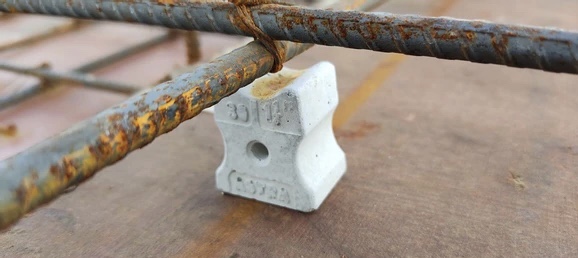
✅ Cover Blocks – Protect Your Reinforcement
Many builders use stones or broken tiles instead of proper cover blocks. This is a mistake! Cover blocks maintain the required gap between reinforcement and concrete, preventing rusting and structural failure.
💡 Recommended Size:
Slabs: 20mm
Beams & Columns: 25-40mm
✅ Rebar Chairs & Spacers – Prevent Steel from Sagging
If reinforcement sags during slab casting, it weakens the structure. Rebar chairs and spacers hold the steel bars at the correct height, ensuring proper load distribution.
💡 Commonly Ignored But Essential!
✅ Curing Compounds – Avoid Cracks & Weakness
After casting, curing is essential. Many homeowners fail to water the concrete properly, leading to cracks. Curing compounds help retain moisture and ensure proper strength development.
2. Waterproofing Materials – Stop Leaks Before They Start
One of the biggest regrets homeowners have is water leakage. Fixing it later costs 5X more than prevention.
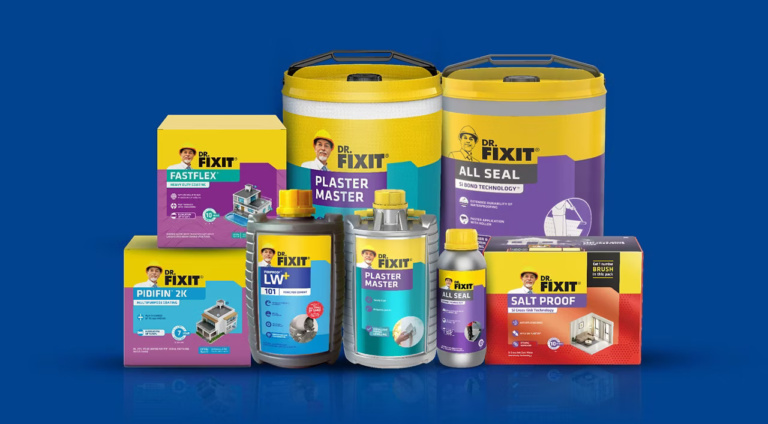
✅ Chemical Waterproofing (Dr. Fixit, Fosroc, Sika, etc.)
Before laying tiles, applying a waterproofing coat in bathrooms, kitchens, and rooftops is a MUST. Many builders skip this step to save money, but later, damp walls and peeling paint will cost you heavily.
✅ Damp-Proof Course (DPC) – Keep Moisture Out
A DPC layer at the plinth level prevents rising dampness. Many people ignore it, leading to paint bubbles and mold on walls.
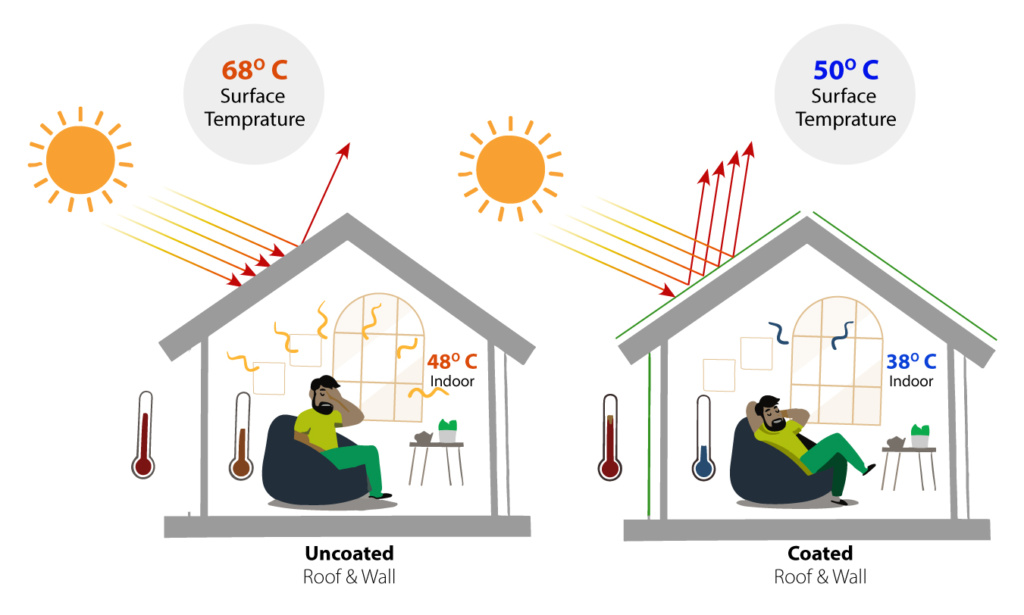
✅ Weatherproof Coatings for Roof & Walls
Heat-reflective paint on roofs reduces indoor temperature by 4-5°C.
Silicone-based exterior coatings prevent rain damage and cracks.
💡 Pro Tip: Always check if your builder includes waterproofing in the contract. Don’t assume—it’s often skipped!
3. Plumbing & Drainage Materials That Save You Future Hassles
Leaks and blockages are not just annoying—they cause structural damage. Here’s what people forget:
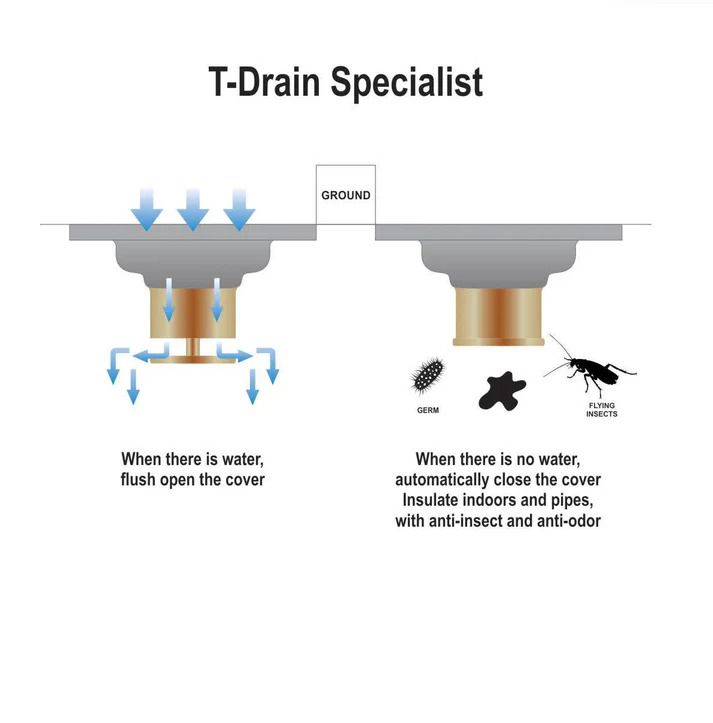
✅ Cockroach Trap Floor Drains – Stop Bad Odors
Most homeowners install basic floor drains, but cockroach traps prevent insects and sewer gas from entering. A small investment saves you from smelly bathrooms!
✅ Tundish for Geyser Overflow – No More Water Spills
Water heaters overflow occasionally, and without a proper tundish (funnel-like drain), water damages your walls and flooring.
✅ Vent Pipes for Drainage System – Prevent Foul Smells
Many low-budget constructions skip vent pipes, leading to airlocks, slow drainage, and a sewage smell in bathrooms.
💡 Hidden Issue: If your plumber ignores venting, you’ll realize the mistake AFTER moving in. Fixing it later means breaking tiles and walls!
4. Electrical Safety Materials That Are Often Overlooked
Poor electrical planning is a safety risk. Here’s what people ignore:
✅ Earthing Electrodes & Lightning Arresters
Many homes skip proper earthing, leading to shocks and appliance damage during voltage fluctuations. Invest in a good earthing system!
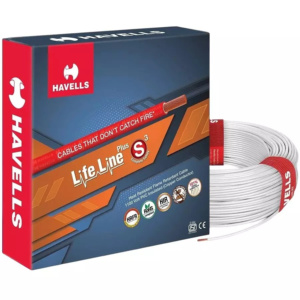
✅ Fire-Retardant Electrical Wires
Most people go for cheaper electrical wires, but fire-resistant wires prevent short circuits and fires. This is especially important in kitchens and heavy-load areas.
✅ Surge Protectors & MCBs (Miniature Circuit Breakers)
Protects expensive appliances from voltage surges.
MCBs automatically cut power in case of overload.
💡 Many electricians won’t suggest these unless you ask. Insist on them!
5. Flooring & Interior Materials That Improve Longevity
Homeowners focus on tiles but ignore critical materials that affect their durability.
✅ Tile Leveling Clips & Spacers – Prevent Uneven Floors
Ever seen uneven tile joints? It’s due to improper tile placement. Tile leveling clips ensure perfect alignment, avoiding future cracks.
✅ Corner Beading for Walls & Tiles – Prevents Chipping
Sharp tile corners chip easily. Using corner beading at wall edges prevents damage and improves aesthetics.
✅ Anti-Termite Treatment Before Flooring
Many people forget to apply termite treatment before laying flooring. Later, wooden flooring or furniture gets damaged, leading to expensive repairs.
6. Doors, Windows & Ventilation Materials That Matter
Many builders cut costs on windows and ventilation, but it affects comfort and energy efficiency.
✅ Weather Strips & Door Seals – Stop Dust & Noise
Most homes have gaps under doors, allowing dust, insects, and cold air to enter. Weather strips block these gaps, keeping interiors clean and energy-efficient.
✅ Cross Ventilation Openings – Reduce Cooling Costs
Proper window placement saves thousands on AC bills. Ensure your home has opposite-facing windows for natural airflow.
💡 People often regret poor ventilation design AFTER moving in. Plan it early!
Final Thoughts – Don’t Ignore These Materials!
When constructing your home, don’t just focus on bricks and cement. The smaller overlooked materials make a huge difference in:
✅ Durability – Prevent cracks, leaks, and damage.
✅ Safety – Reduce electrical risks, fire hazards, and corrosion.
✅ Comfort – Improve ventilation, waterproofing, and flooring.
✅ Cost Savings – Avoid expensive repairs in the future.
💡 Take action: Make a checklist and discuss these materials with your builder. A well-planned home lasts for generations!
Did we miss anything? Share your thoughts in the comments!