10 Biggest Difficulties We Face While Making Our Home (And How to Overcome Them)
Why Building a Home Is Exciting but Challenging?
Building your dream home is one of the most rewarding yet challenging journeys you can take. It’s a project that blends creativity, finances, patience, and decision-making into one long process. While the idea of moving into a freshly built home excites most of us, the actual construction process is rarely free of bumps.
The truth is — there are several difficulties we face while making our home, and if they’re not managed properly, they can lead to unnecessary stress, extra costs, and even regret after the home is complete.
In this detailed guide, we’ll go through 10 common home-building challenges along with practical, real-world solutions that have helped thousands of homeowners achieve their dream spaces without losing their peace of mind.
10 Biggest Difficulties We Face While Making Our Home
1. Budget Overruns
The Problem: Budget overruns are probably the most universal problem in home building. You start with a clear figure in mind, but as construction progresses, extra charges pop up. Prices of cement, steel, and tiles can rise without warning. You may decide to upgrade finishes midway, or unforeseen repairs could become necessary during the process.
Sometimes, a lack of detailed planning at the start is the main reason costs shoot up. Many people underestimate certain expenses like labor charges, municipal fees, or custom furniture costs — all of which can create a big dent in the budget.
The Solution:
Allocate an extra 10–15% as a contingency fund from the beginning.
Prepare a complete Bill of Quantities (BOQ) with your architect or engineer before laying the foundation.
Avoid frequent design changes once work starts. Each alteration has a ripple effect on labor, materials, and time.
Track expenses weekly so you can take corrective action early rather than discovering a massive overspend at the end.
Pro Tip: Use a digital budget tracker (like Google Sheets) that you can update on the go, even from your phone.
2. Poor Space Planning
The Problem: Your home may look perfect in 2D floor plans but feel awkward once built. Sometimes the kitchen is placed far from the dining area, bedrooms get less light, or storage is too limited.
Poor space planning not only affects comfort but also resale value. An inefficient layout can make day-to-day life frustrating — think of carrying groceries across the house to reach the kitchen or squeezing into tight bathrooms.
The Solution:
Work with an architect who takes time to understand your lifestyle, family size, and habits.
Ask for 3D visualizations before approving the design so you can experience the layout virtually.
Plan furniture placement during the design stage to ensure adequate circulation space.
Always keep functionality as the top priority, even over aesthetics.
Pro Tip: Stand on your plot during design discussions and visualize movement — this helps catch problems early.
3. Choosing the Wrong Contractor
The Problem: A poor contractor can ruin even the best design. From using substandard materials to missing deadlines, the wrong person can turn your dream into a nightmare. Some contractors overpromise to win the job and then cut corners.
The Solution:
Shortlist contractors based on word-of-mouth recommendations and proven track records.
Visit at least two of their previous projects in person.
Sign a contract with clear payment milestones, material specifications, and a project timeline.
Avoid paying large sums upfront.
Pro Tip: Keep everything in writing — verbal promises can easily be forgotten.
4. Material Quality Issues
The Problem: Cheaper materials might save you money upfront, but they often lead to costly repairs in the future. Low-quality cement, steel, or plumbing fittings can compromise the durability of your home.
Unfortunately, some contractors or suppliers may replace ordered items with inferior alternatives to save costs on their end.
The Solution:
Purchase materials from reputable dealers.
Request quality certificates for structural materials.
Keep receipts and take pictures of deliveries to maintain proof in case of disputes.
Be present during key deliveries like cement, steel, or tiles to check what is being unloaded.
Pro Tip: For items like tiles or wood, buy a little extra from the same batch for future repairs.
5. Delays in Construction
The Problem: Delays are common in home building. Weather disruptions, labor shortages, material delays, and sudden design changes can all push back your completion date.
While some delays are unavoidable, many are caused by poor scheduling and lack of planning.
The Solution:
Add a time buffer of at least 1–2 months beyond your target completion date.
Order long-lead items like custom windows or imported tiles well in advance.
Have a backup plan for labor in case workers quit mid-project.
Schedule regular progress reviews to keep the pace consistent.
Pro Tip: Keep a small penalty clause for delays in the contractor’s agreement — it keeps everyone motivated.
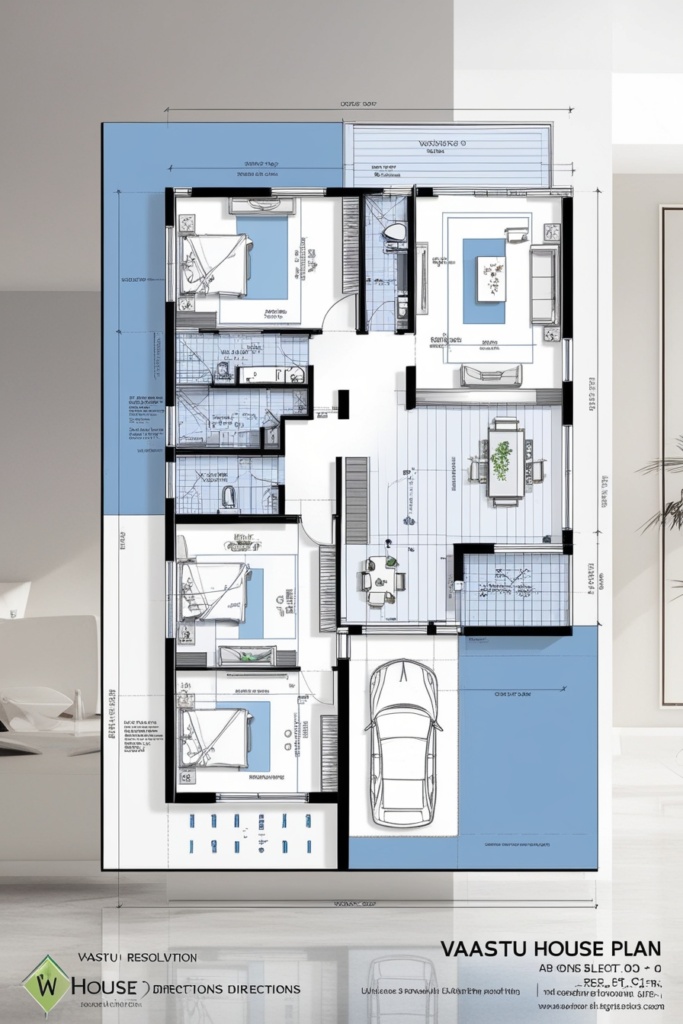
6. Vaastu or Design Conflicts
The Problem: Family members often have strong preferences about Vaastu Shastra or Feng Shui. Sometimes these requirements clash with modern design trends or the physical constraints of the plot. This can create disagreements during the design phase.
The Solution:
Involve a designer who understands both Vaastu principles and modern layouts.
Identify which Vaastu rules are non-negotiable and which can be adjusted.
Use elements like mirrors, lighting, or partitions to make symbolic adjustments without major structural changes.
Pro Tip: Early discussion with the whole family can prevent last-minute redesigns.
7. Legal and Approval Hassles
The Problem: Starting construction without proper permissions can lead to stop-work notices, fines, or even demolition. Legal disputes over land titles or boundaries are also common.
The Solution:
Verify land documents thoroughly before purchase.
Hire a legal expert to handle property searches and municipal approvals.
Keep both physical and digital copies of every permit, receipt, and plan approval.
Pro Tip: Some local consultants specialize in fast-tracking approvals — they can save you weeks of waiting.
8. Communication Gaps
The Problem: When homeowners, architects, and contractors are not aligned, misunderstandings occur. This results in wrong tile colors, misplaced walls, or skipped features.
The Solution:
Hold weekly site meetings and document decisions in a shared file or WhatsApp group.
Use marked-up drawings for any change requests.
Always confirm material samples in person before ordering.
Pro Tip: A single point of contact (like a project manager) can coordinate everything and reduce confusion.
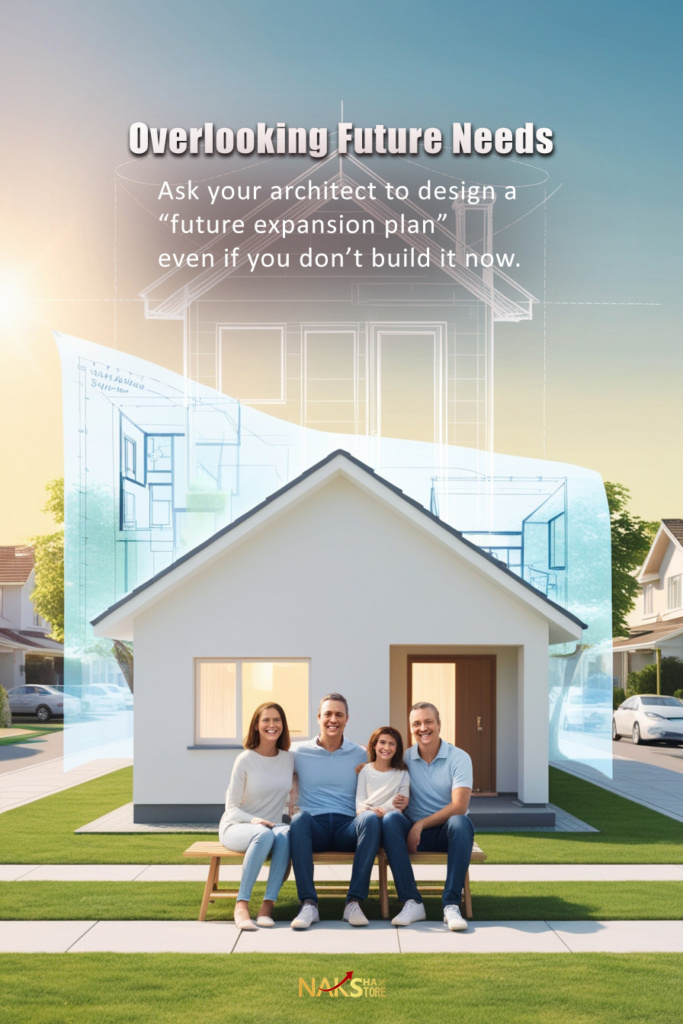
9. Overlooking Future Needs
The Problem: Designing only for current needs often leads to regrets later. Maybe you’ll need an extra bedroom in a few years or want to install solar panels but have no provision for wiring.
The Solution:
Think long-term: aging parents, growing children, remote work needs, or rental income possibilities.
Leave provisions for future upgrades like additional floors, rainwater harvesting, or electric vehicle charging.
Add extra storage — it’s something every homeowner eventually needs more of.
Pro Tip: Ask your architect to design a “future expansion plan” even if you don’t build it now.
The Problem: From choosing tiles to finalizing the paint color, the endless decisions can wear you down. When tired, you may make rushed choices you regret later.
The Solution:
Break the project into decision phases — structure, interiors, and landscaping.
Use mood boards and sample kits to finalize finishes in batches.
Take short breaks from site visits to recharge mentally.
Pro Tip: Trust your initial instincts — overthinking every choice leads to burnout.
Quick Checklist to Avoid Home-Building Problems
✅ Have a clear budget + 15% extra for safety. ✅ Work with experienced professionals. ✅ Track expenses weekly. ✅ Approve everything in writing. ✅ Think about future needs, not just today.
1. Why is it important to consider future needs while designing a house?
✔ Because a house is not built for just a few years. Families grow, lifestyles change, and new technologies arrive. Planning with future needs in mind saves renovation costs and keeps the home functional for decades.
2. What are some common future needs homeowners often overlook?
✔ Extra bedrooms for children or guests ✔ Home office or study room ✔ Senior-friendly features (ramps, wider doors, ground-floor bedroom) ✔ Storage space for growing families ✔ Parking for additional vehicles ✔ Energy-efficient upgrades (solar panels, EV charging points)
3. How can I design my home to adapt to my family’s growth?
✔ Choose flexible spaces that can serve multiple purposes, like a room that works as a study today and a kids’ bedroom tomorrow. ✔ Leave provisions for vertical expansion (G+1, G+2). ✔ Use modular furniture and smart layouts to easily reconfigure spaces.
4. What role does technology play in future-proofing a house?
✔ Technology is becoming central in modern homes. Installing smart wiring, home automation systems, solar panels, and EV charging stations ensures the house remains relevant for years to come.
5. How does Vaastu or traditional planning fit into future-ready design?
✔ Vaastu principles can be balanced with modern needs. For example, placing the master bedroom in the southwest ensures harmony while still allowing scope for expansion and modern amenities.
6. What budget should I keep for future-proofing my house?
✔ Typically, setting aside 10–15% of the total construction cost for future adaptability (extra wiring, plumbing lines, structural support for extra floors, etc.) is wise.
7. Can I make my existing house future-ready without rebuilding?
✔ Yes. You can:
Add mezzanine or vertical extensions if the structure allows.
Renovate with smart electricals.
Convert unused spaces (like terraces) into livable zones.
Upgrade plumbing and wiring to handle future appliances.
8. What mistakes should I avoid when planning for the future?
❌ Not leaving room for vertical expansion ❌ Ignoring natural light and ventilation ❌ Over-designing for present lifestyle without thinking ahead ❌ Not considering energy efficiency and water-saving solutions
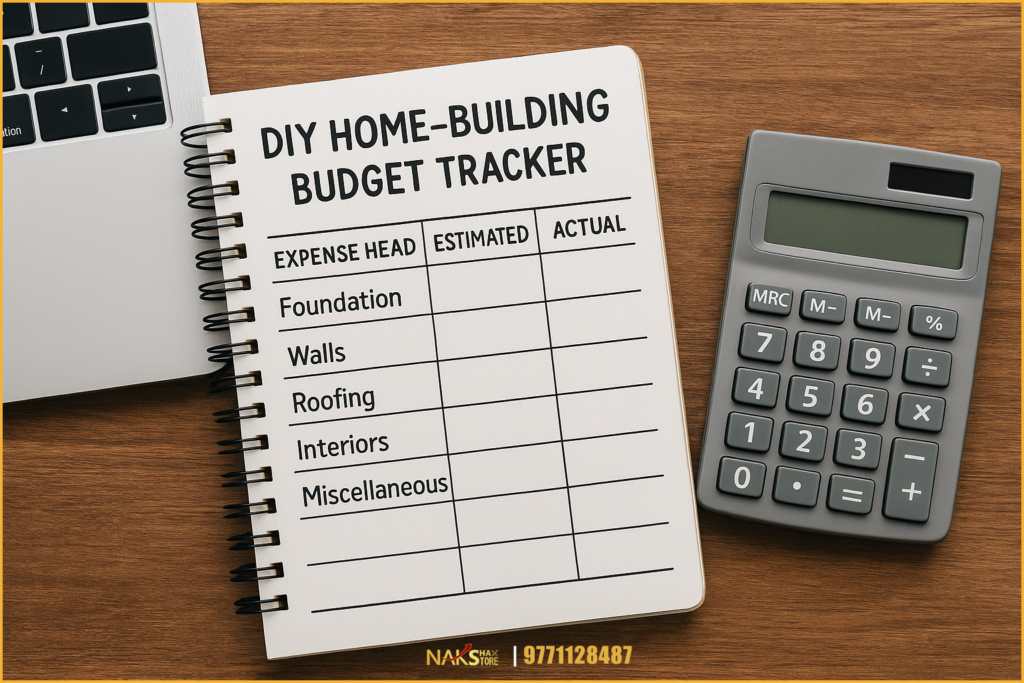
🛠 DIY Home-Building Budget Tracker
You’ll Need: Notebook or spreadsheet, calculator, and your BOQ.
List expense heads: foundation, walls, roofing, interiors, etc.
Add estimated and actual costs side-by-side.
Update weekly after site visits.
Keep digital and paper records of receipts.
Result: You’ll spot overspending early and avoid financial shocks.
Yes, the difficulties we face while making our home are real — but with the right planning and approach, they’re all manageable. A home is a long-term investment, so slowing down to plan well today will save you money, stress, and regret in the future.